
Vine-pruning robot aims to make life easier for winemakers
Every grapevine grows differently. That’s why a robot is designed to use artificial intelligence to determine where to make the cut. Researchers in Zwickau are developing the technology for this purpose.
Read Aloud
0:00
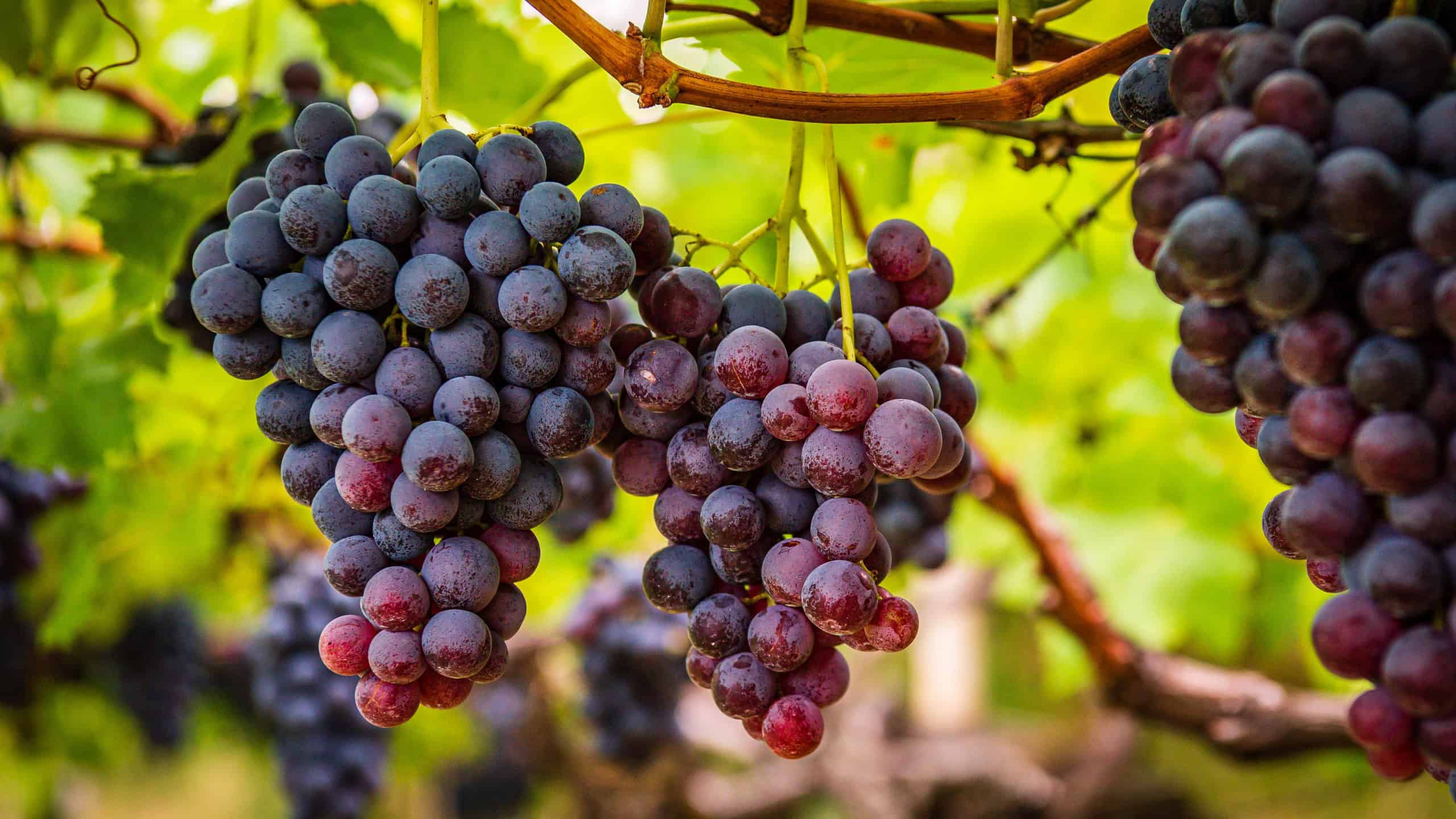
Every grapevine grows differently. A new pruning robot is designed to use artificial intelligence to identify which shoots need to be pruned. The West Saxon University of Applied Sciences in Zwickau is conducting research on this project with five partners. © BÙI VĂN HỒNG PHÚC/pixabay
When you drink a glass of wine from the Elbe Valley, you rarely think about the winter before. That’s when winemakers stand in the vineyard in the cold and prune the vines. This pruning lays an important foundation for how many grapes the vines will bear the following year. The work is time-consuming and requires experience.
But there’s a shortage of skilled workers, and costs are rising. That’s why a robot will be brought in to help in the future. The West Saxon University of Applied Sciences Zwickau (WHZ) is working on this with five partners as part of the “VinePruningBot” research project.
Every vine is different
That is precisely what makes the task so difficult. “The challenge is that every vine grows differently. Our optical measurement technology is designed to enable the robot to precisely recognize the plant’s structure and determine suitable pruning points based on that,” explains Prof. Peter Hartmann. He heads the Optical Technologies research group at WHZ.
His team is developing a method that uses cameras and artificial intelligence (AI) to map the shape of a grapevine. The measurement data is used to create a three-dimensional model on the computer. It shows where the shoots run, how thick they are, and where the buds are located. Based on this information, the robot will decide which shoots to cut and where. In doing so, it must also follow the rules of vine pruning. Its arms are designed to move in such a way that they do not collide with tension wires or other obstacles.
Machines that perform rough pruning of vines already exist. So far, however, they have only taken limited account of how individual plants have grown. This is precisely what the new robot is designed to do better.
Researchers worldwide are seeking a solution
Research teams elsewhere are also working on pruning robots. In 2021, an American prototype made approximately 87 percent of its cuts correctly. However, it took more than three minutes to prune a single vine. Things are moving faster now: In trials with a different system in 2026, researchers needed about one and a half minutes per vine. Eighty-two percent of the cuts were successful. However, the robot was tested on only 16 vines.
So there is still work to be done before such machines can operate reliably in vineyards. Hidden buds, overlapping shoots, tension wires, and changing light conditions make it difficult for the robots to find the correct cutting point.
The Zwickau-based project partners have therefore set their sights high. They aim to reduce pruning costs by 30 percent and save up to 150 working hours per hectare. Whether these goals can be achieved remains to be seen in the trials.
In addition to the university, four companies are involved. Among other things, they are developing the camera system, the control system, the motion planning for the robotic arms, and the cutting tool. The Schloss Proschwitz Winery near Meissen is contributing its viticultural expertise and testing the robot in real-world conditions. The Saxon State Winery Schloss Wackerbarth in Radebeul is supporting the project as another partner.
The project will run through the end of 2028. It is funded by the European Union and the Free State of Saxony. By then, it should become clear whether the robot can actually relieve winemakers of some of their winter workload.