Knowledge from Saxony for everyone
Wissensland is the independent platform for Saxony’s scientific community. We translate research into accessible stories – carefully researched, transparently sourced, and free of sensationalism.

What researchers do has an impact on our everyday lives. Science makes new treatments for diseases possible. It discovers new materials and develops modern technologies. It can help us find solutions to the challenges we face as a society.
But scientific findings are often complex and sometimes difficult to explain. Not everyone immediately understands what researchers have discovered. Wissensland acts as a translator, making research easy to understand and showing why it matters to our lives.
What we stand for
As an independent journalistic outlet, Wissensland reports on research and innovation in Saxony. We cover new findings and the people behind them, as well as the questions that remain unanswered and potential risks. We verify information, explain contexts, and put developments into perspective. To ensure that everyone can stay informed, the content on Wissensland is freely accessible.
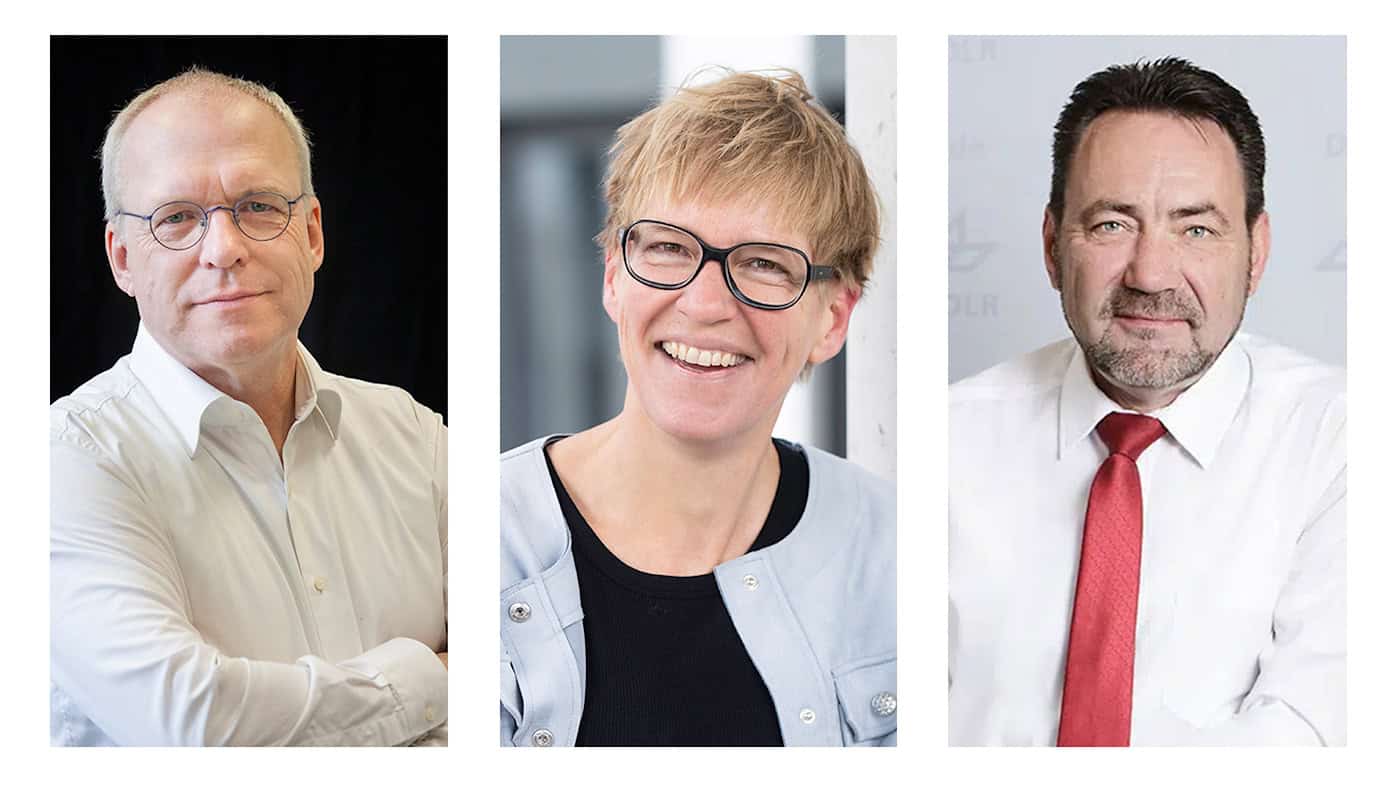
The independent Advisory Board
Wissensland is supported by an independent advisory board. Its members bring expertise from the fields of academia, journalism, and science communication. They critically monitor the editorial team’s work and help ensure that journalistic principles are upheld over the long term. In the event of conflicts regarding topics or the independence of Wissensland, the board can act as a mediator.
The members of the advisory board are:
Prof. Manfred Curbach
Manfred Curbach is a civil engineer and senior professor of structural engineering at TU Dresden. He taught and conducted research there for 30 years. For more than three decades, he has been exploring ways to replace reinforced concrete with materials that are more resource-efficient. To this end, he has led several major research projects. Among other honors, he received the German Future Prize in 2016 for his work. This was followed by the Carl Friedrich Gauss Medal, the Medal of Merit from the International Concrete Association, and, in 2025, the Nobel Sustainability Academic Award, the Nobel Prize for Sustainability.
Eva Wolfangel
Eva Wolfangel is a science and technology journalist, author, and host. She writes for DIE ZEIT, ZEIT ONLINE, and Deutschlandfunk on topics such as artificial intelligence, virtual reality, cybersecurity, and the ethical issues surrounding new technologies. In 2019–20, she served as a Knight Science Journalism Fellow at the Massachusetts Institute of Technology (MIT). She has received several awards for her journalistic work. These include the German Reporter Award and the European Science Journalist of the Year award. In 2024, "Medium" magazine named her Science Journalist of the Year.
Andreas Schütz
Andreas Schütz studied electrical engineering and electronics in Dresden and Kamenz. He worked in aircraft maintenance and repair for ten years. He has been with the German Aerospace Center (DLR) since 1993 and is currently the head of DLR Communications and the organization’s press spokesperson. Over the years, he has managed communications for more than 25 space missions. He was named Press Spokesperson of the Year in 2011, has served as vice president of the Aviation Press Club since 2021, and is a member of the board of trustees of the Science Press Conference.
How Wissensland is funded
Independent journalism requires reliable funding. At the same time, everyone should be able to read Wissensland’s content for free. That is why Wissensland does not use subscriptions or a paywall.
These revenues finance the operation and technical development of Wissensland. None of these forms of funding entitles the recipient to editorial services or coverage.
Transparency and Independence
Readers should be able to understand the conditions under which Wissensland’s content is produced. That is why we disclose our financial ties. Editorial decisions and funding remain clearly separate from one another.