How AI could detect feather pecking in chickens early
When hens peck at each other's feathers, it can have serious consequences. Researchers at HTW Dresden are using cameras, microphones, and AI to detect earlier when problems arise in a flock.
Read Aloud
0:00
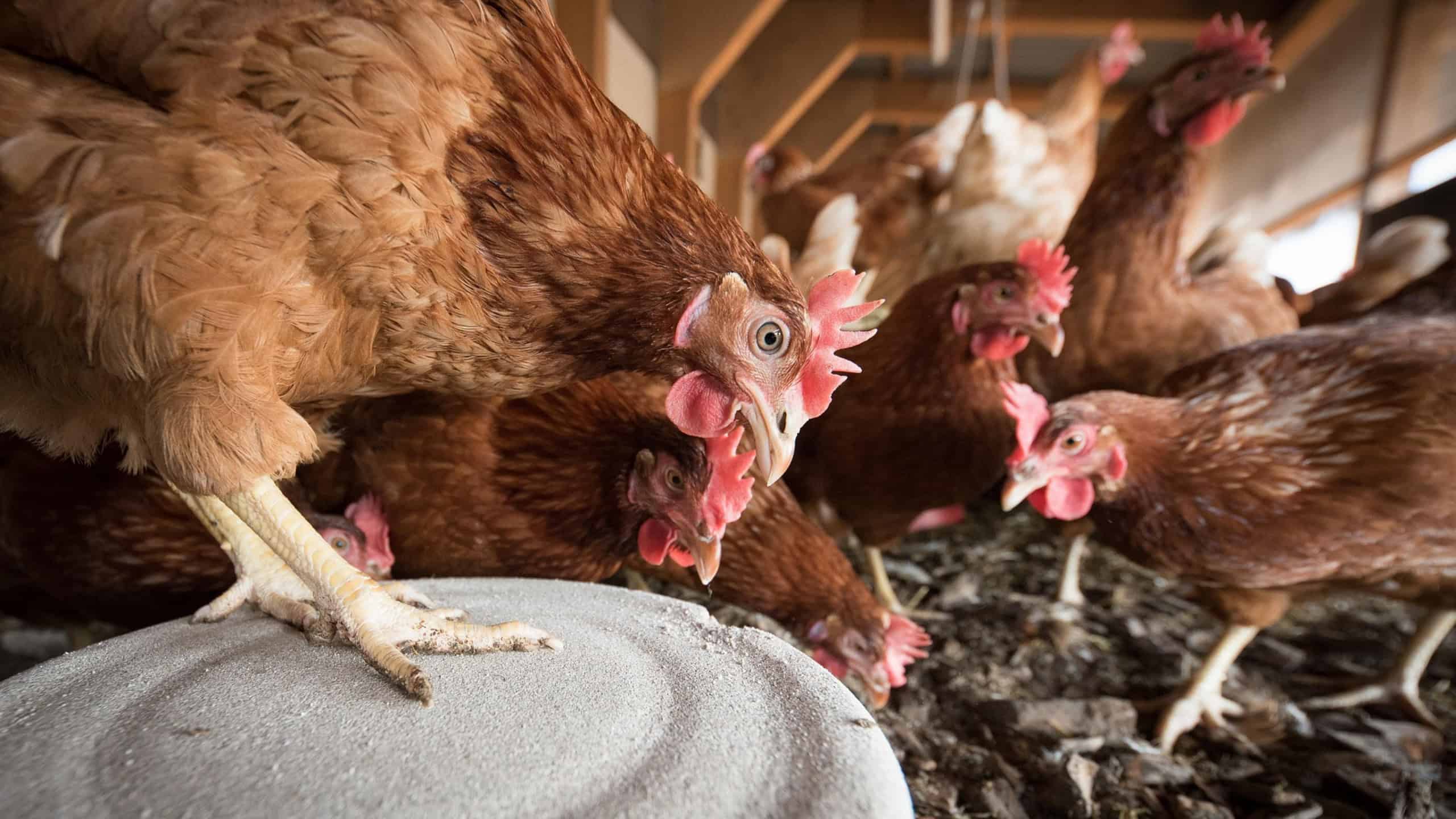
In the future, cameras and microphones will be used to detect early on when hens begin to pluck the feathers of other hens. © Wolfgang Ehrecke/pixabay
Every egg on the breakfast table has a story. A hen lays it after spending the day pecking and foraging. Under natural conditions, a hen makes up to 15,000 of these so-called pecking motions per day, mainly while foraging. In the coop, however, food is always readily available. If there are no suitable opportunities for pecking, foraging, and exploring, this can become a problem. But the hen must peck.
Stress, illness, improper feeding, or unfavorable housing conditions in the coop can then cause this pecking behavior to be directed toward other hens. This is not without risk. Even mild feather-pecking can lead to severe damage to the plumage and, in the worst case, even to cannibalism. Researchers at the Dresden University of Applied Sciences (HTWD) want to prevent this.
Cameras and microphones in the coop
The HTWD’s HEN-SENSE project is developing an assistance system that monitors flocks of hens around the clock. Cameras detect changes in the plumage. Microphones installed in the coop are designed to detect unusual sounds that hens make, for example, when other birds peck at them.
Until now, farmers have checked the hens’ plumage on a random basis about every four weeks. This involves a lot of work. The new technology is designed to continuously scan for initial abnormalities. “Our goal is to support farmers through continuous, automated monitoring and to detect the first signs of featherpecking as early as possible,” says project leader Nicola Hirsch, professor of animal health management at HTW Dresden. If humans intervene too late, the problematic behavior can become entrenched in the flock and be adopted by other animals.
Several partners are collaborating on the new system. The company IfU Diagnostic Systems, based in Lichtenau, Saxony, is developing the sensor technology. The Poultry Farming Research and Education Center of the Bavarian State Institute for Agriculture in Kitzingen is testing it. Under the direction of Maik Thiele, professor of database systems, researchers at HTWD are analyzing the data and developing appropriate AI models.
The AI is designed to detect any unusual developments in the flock based on camera, audio, and other data. “The challenge lies in linking the multitude of visual, acoustic, and other barn-related data and deriving reliable conclusions about the flock’s condition from it,” explains Thiele. This is precisely where a key hurdle of the project lies. The technology must reliably distinguish between normal behavior and actual warning signs amid the hustle and bustle and background noise of a barn. Tests will have to show whether this can be done reliably and early enough under real-world conditions.
Suggestions for livestock owners
The idea for the project originated in the field. For ten years, Nicola Hirsch worked as a veterinarian caring for poultry flocks at the Bavarian Poultry Health Service. This period also coincided with the phase-out of beak trimming in young hens, which was routine at the time. This made it all the more important to prevent featherpecking through housing and management practices as much as possible. To prevent feather pecking, the birds are already provided with pecking blocks or alfalfa bales to keep them occupied. In addition, there are hiding places and areas where they can retreat.
HEN-SENSE thus represents a different approach. Rather than merely limiting the consequences of featherpecking on the bird, the goal is to detect abnormalities as early as possible so that farmers can take corrective action. However, the assistance system cannot eliminate the causes of featherpecking on its own. If it detects the first signs of a behavioral disorder, it will provide farmers with recommendations on how to respond. This could include changes to feed, water, or coop ventilation, as well as additional enrichment and retreat options.
In the future, the system is also intended to recognize individual hens in order to investigate correlations between plumage condition and pecking damage. “This would allow farmers to intervene much earlier,” says Hirsch. Whether this will actually prevent injuries and improve animal welfare remains to be seen as the project progresses. The Federal Ministry of Economics is funding the project through October 2029.